


For years, hemp fabric lived in the margins — associated with artisan craft fairs and a certain counterculture aesthetic that kept it firmly out of serious fashion conversations. That era is over. In 2026, hemp is one of the most-talked-about textiles in sustainable fashion, and the numbers back it up: the global hemp clothing market stood at USD 6.16 billion in 2025 and is projected to reach USD 13.05 billion by 2032, growing at a CAGR of over 11%. Designers from elevated streetwear labels to luxury houses are quietly folding hemp into their collections — and conscious consumers are paying close attention.
At ANAHIV, we work primarily with linen — a fabric that shares many of hemp's best qualities — and we believe in helping our community understand the full landscape of natural, low-impact textiles. So let's dig into why hemp is having its moment, how it truly performs, and what the conversation around it means for the future of fashion.
What Is Hemp Fabric, Really?
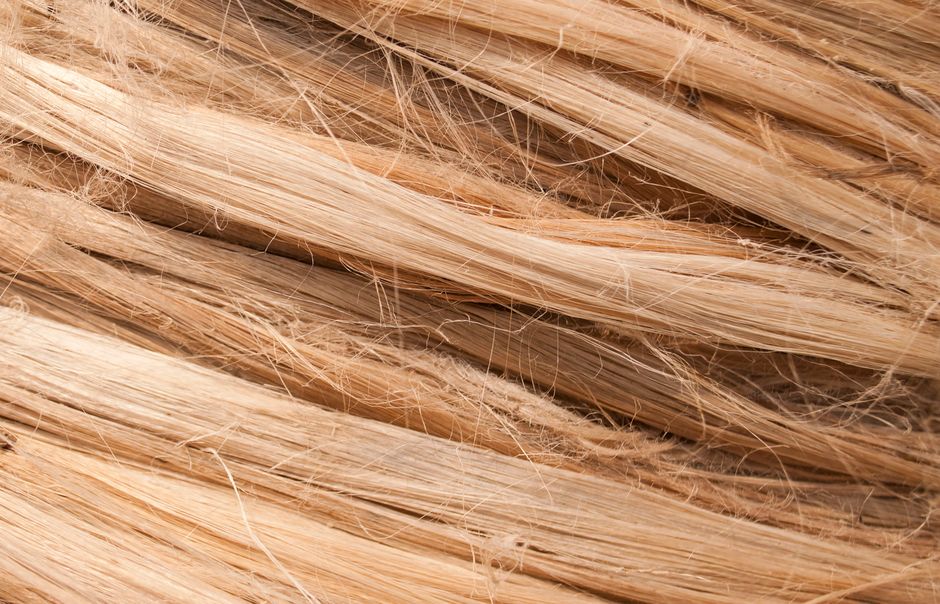
Hemp is a bast fibre, derived from the stalks of the Cannabis sativa plant — the same botanical family as flax, from which linen is made. The two share more than a family tree. Like linen, hemp has a naturally textured, organic quality; it's breathable, durable, and improves with wear. Industrial hemp contains only trace amounts of THC — around 0.3% — so the fabric carries no psychoactive properties whatsoever. The old stereotypes are, frankly, long outdated.
What has changed dramatically is the processing. Modern enzymatic softening techniques mean that today's hemp fabric can be finished to feel considerably softer and more supple than the rough, utilitarian cloth of decades past. Designers love it for its natural irregularity, its drape across varied weights, and the fact that it carries colour beautifully with advancements in low-impact dyeing.
The Environmental Case: Genuinely Strong
Here is where hemp earns its reputation — and where the data is compelling.
- Minimal water use: Hemp requires significantly less water than conventional cotton to grow. While cotton is notorious for consuming over 2,700 litres of water for a single t-shirt, hemp thrives with minimal irrigation.
- No synthetic pesticides: Hemp is naturally resistant to pests, which means it can be cultivated without the chemical inputs that pollute waterways and harm biodiversity.
- Soil restoration: Hemp's deep roots prevent erosion, replenish nutrients, and even capture carbon from the air — making it one of the few crops that actively regenerates the land it grows on.
- Higher fibre yield per acre: Hemp produces significantly more usable fibre from the same amount of land as cotton or flax, making it extraordinarily resource-efficient.
- Fully biodegradable: At the end of its life, hemp fabric breaks down completely, leaving no microplastic trace — a serious advantage over synthetics.
One important nuance worth knowing: not all hemp processing is equal. Mechanically processed hemp — where the fibre is separated physically rather than chemically — is far preferable from a sustainability standpoint. If a product is labelled "hemp viscose," it has likely been chemically processed in a way that erodes many of those environmental benefits. Worth checking before you buy.
How Does Hemp Compare to Linen?
As a brand rooted in linen, this is a question we find genuinely interesting. The honest answer: they are close cousins in the fabric world, and both deserve a place in a conscious wardrobe.
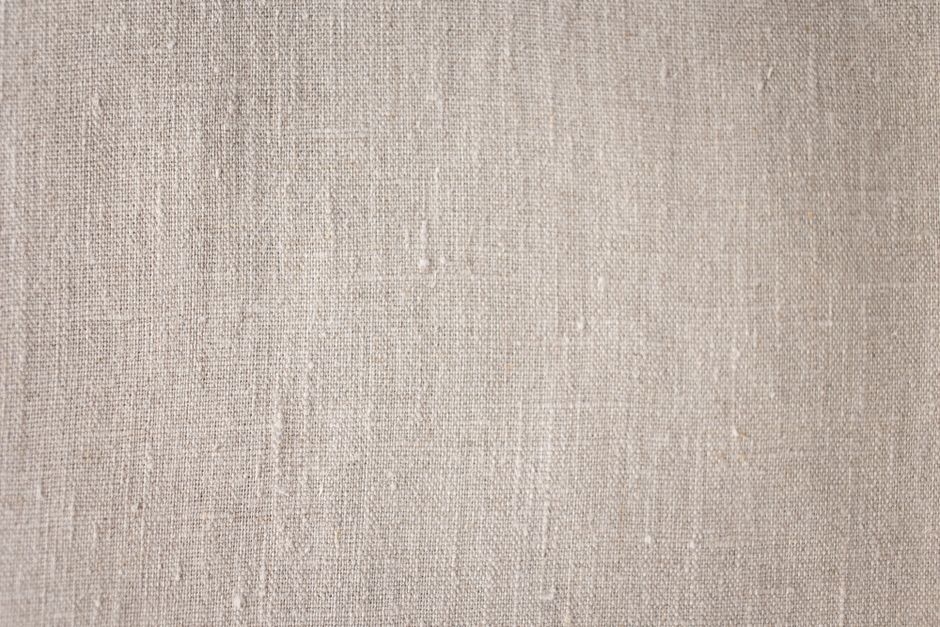
Linen is made from the flax plant and is widely regarded as one of the most sustainable natural fibres available. It requires minimal water and pesticides, biodegrades naturally, and becomes more beautiful with age — which is why it forms the backbone of everything we make at ANAHIV, from our linen dresses to our home linen collection. Hemp, by contrast, tends to be stronger and more fibre-dense. It is just as breathable but carries a slightly more structured weight, making it well-suited to tailored or utility-style pieces. Both soften beautifully with washing; both are fully biodegradable; both stand in clear opposition to the wastefulness of synthetics.
Think of them as different expressions of the same philosophy: choose natural, choose slow, choose fibres that honour the earth.
Why Hemp Is Finally Going Mainstream
Hemp is showing up in elevated streetwear, luxury loungewear, and increasingly, in denim — a category that has historically been one of fashion's most resource-intensive. Designers are no longer asking whether they can work with hemp; the question now is how to scale it responsibly and beautifully. The Asia-Pacific region, including India, is emerging as a key production hub, driven by expanding textile manufacturing capabilities and deep craft traditions that align naturally with hemp's agricultural profile.
For consumers, the appeal is straightforward: hemp clothing lasts longer (hemp fibres are reputedly two to three times stronger than cotton), needs washing less often thanks to natural antibacterial properties, and carries an honest sustainability story that holds up to scrutiny. In a world increasingly tired of greenwashing, that transparency matters enormously.
What This Means for How You Shop
The rise of hemp is part of a broader, exciting shift toward natural, low-impact fibres — a shift that encompasses linen, organic cotton, and responsibly processed alternatives to synthetics. Whether you are building a considered wardrobe from scratch or simply becoming more intentional about what you bring into your life, the principle is the same: choose fibres with a traceable story, made by brands who are accountable for how their garments come to exist.
At ANAHIV, every piece — whether a hand-embroidered embroidered top, a flowing linen maxi dress, or a crisp linen co-ord — is made to order in linen precisely because we believe in producing only what is needed, in a fibre that lasts. Hemp and linen are different fabrics with the same conscience. And that conscience is what the future of fashion is being built on.