


If you've ever held a brand-new piece of linen next to one that's been worn and washed a dozen times, you'll know exactly what we mean. There's something almost miraculous about what happens to linen with age. It doesn't pill, it doesn't thin out, it doesn't lose its shape — it simply becomes more itself. Softer, more supple, more alive. And the more you wash it, the better it gets.
This isn't a happy accident. It's chemistry. And once you understand it, you'll stop treating your linen clothing with such anxious caution and start washing it with confidence.
The Science Behind Linen's Softening
Linen is made from the fibres of the flax plant, and those fibres are naturally stiff when first processed. This is why a new linen garment can feel a little crisp or structured straight out of the packaging — not unpleasant, but undeniably firm. What you're feeling is the natural starch and pectin that holds the fibres together during the manufacturing process.
Each time you wash linen, warm water and gentle agitation break down these compounds gradually. The fibres themselves begin to relax and separate slightly, creating a texture that's noticeably more fluid and drapey. Over multiple washes, this process compounds — quite literally — and the result is that impossibly soft, faintly worn-in linen that feels like it was made specifically for your body.
This is why vintage linen is so coveted. It has had years of washes behind it. You're essentially fast-forwarding that process every time you do laundry.
How to Wash Linen So It Softens Faster
The good news is that you can encourage this process without any shortcuts that would damage the fabric. Here's what actually works:
- Wash in warm water, not hot. Hot water can cause linen to shrink, especially in the first few washes. Warm water (30–40°C) is ideal — it's enough to break down starch and pectin without stressing the fibres.
- Use a gentle, liquid detergent. Powder detergents can leave a residue that makes linen feel stiffer. A gentle liquid formula — one without optical brighteners — is kinder to both the fabric and its colour.
- Skip the fabric softener. This might feel counterintuitive, but synthetic fabric softeners coat linen fibres rather than softening them. Over time, this buildup actually makes linen less breathable and can dull its natural lustre. Let the linen do its own work.
- Don't over-dry in the machine. Tumble drying is fine on a low setting, but pulling linen out while it's still slightly damp and letting it air-finish is the sweet spot. Over-drying on high heat can make it feel rougher temporarily.
- Give it a shake. A firm shake after washing and before drying helps separate the fibres and reduces stiffness significantly. It also minimises wrinkles, which is always a bonus.
The Salt Trick (And Why It Works)
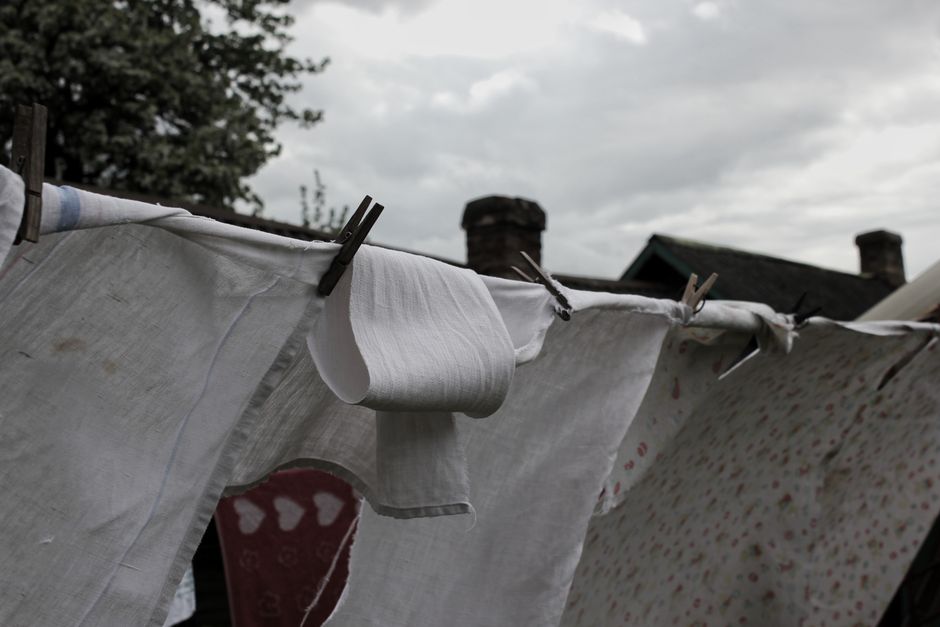
One of the oldest methods for softening new linen is soaking it in a solution of cold water and coarse sea salt before the first wash — roughly a quarter cup of salt to a basin of cold water, left for an hour or two. Salt helps break down surface starch quickly and is completely safe for the fabric. It's been used on linen for centuries, and it genuinely works. After soaking, wash as normal and you'll notice a difference even on that very first wear.
What About Linen That's Gone Stiff Over Time?
Occasionally, linen that's been stored for a while or washed in hard water can feel unexpectedly stiff when you bring it back out. This is usually mineral buildup from water rather than anything wrong with the fabric itself. A simple fix: add a small splash of white vinegar — about half a cup — to the rinse cycle. Vinegar dissolves mineral deposits and acts as a natural fabric softener without leaving any scent or residue once the garment is dry. Your linen will emerge noticeably softer.
Why This Matters More With Quality Linen
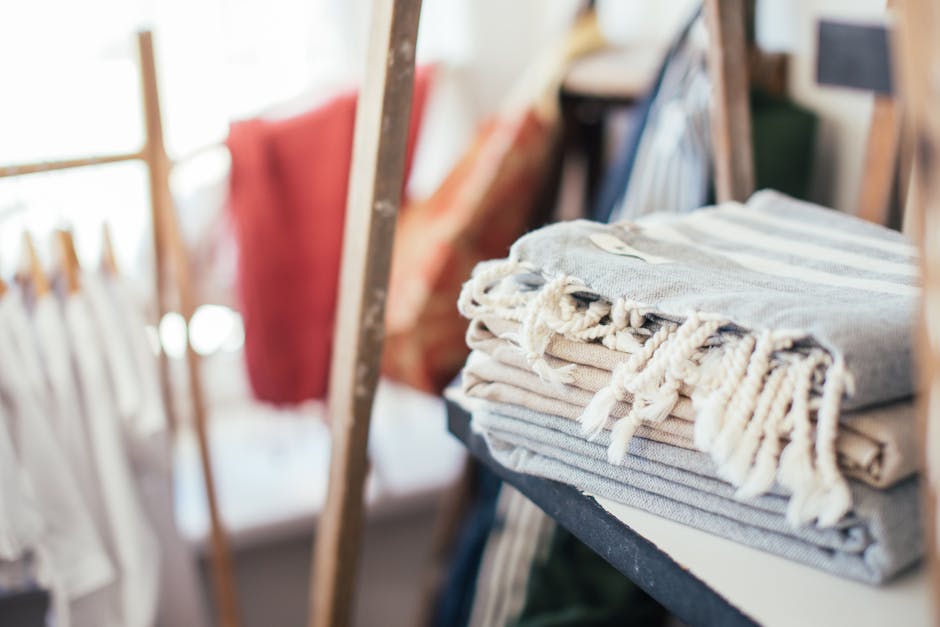
The softening journey is most rewarding with high-quality linen — the kind where the fibres are long, dense, and well-woven. Lower-quality linen might soften a little, but it also tends to weaken in the process, eventually looking worn rather than beautifully lived-in. With quality fabric, the fibres soften without losing integrity. The garment holds its shape, its drape improves, and the colour mellows into something even more beautiful.
This is why every piece in the ANAHIV linen dresses collection, along with our linen tops and co-ord sets, is made from carefully selected linen that's been chosen specifically for how it ages. We want your pieces to become more treasured over time, not less.
Think of the first few washes not as maintenance but as the beginning of a relationship between you and the fabric. Each wash is doing something. Each wear softens it a little more. Give it time, care for it simply, and what you'll have — a year from now, five years from now — is a garment that feels like it was made for you. Because in a very real sense, it has been.
Browse our Everyday Ease edit for linen pieces designed to be worn often, washed freely, and loved longer.
Stay in The Journal
New stories on linen, slow fashion, and the craft behind ANAHIV — delivered to your inbox.