

There's a quiet magic to linen that no other fabric quite replicates. Unlike cotton, which can go flat and tired after a season, or synthetic blends that pill and lose their shape, linen does something remarkable: it actually improves with age. Every wash, every wear, every gentle tumble through the laundry makes it a little softer, a little more supple, a little more yours. But this transformation only happens when you understand what linen is, and what it needs.
The Science Behind the Softening
Linen is made from the fibres of the flax plant — one of the oldest cultivated crops on earth. These fibres are naturally long, strong, and slightly rigid when first woven into fabric. That's why brand-new linen can feel a little stiff, almost papery, against the skin. First-time wearers sometimes mistake this for poor quality. It isn't. It's simply linen being linen.
What happens over time is a process of fibre relaxation. Each wash causes the cellulose fibres in the linen to swell slightly, then contract as they dry. Repeated gently and consistently, this process breaks down the initial stiffness without breaking down the fabric itself. The weave stays intact. The structure remains. But the hand feel — that's what shifts. Linen washed twenty times feels entirely different from linen washed twice, in the best possible way.
Washing Linen the Right Way
The good news is that washing linen properly isn't complicated. It just requires a little intention. Here's what actually matters:
- Cool or lukewarm water only. Hot water is the fastest way to shrink linen and weaken the fibres prematurely. Stick to 30°C or a gentle cool wash cycle.
- A mild, pH-neutral detergent. Harsh detergents strip the natural oils from linen fibres, which accelerates wear and dulls colour over time. Less is genuinely more here.
- Gentle cycle, always. A vigorous wash cycle stresses the weave. Your linen dresses and tops deserve the delicate setting — they'll thank you for years.
- Wash similar colours together. Linen can bleed slightly in the first few washes, particularly in deeper tones like navy, sage, or rust. Keep darks with darks until the colour has fully set.
- Skip the fabric softener. It sounds counterintuitive, but fabric softener coats linen fibres with a waxy residue that actually prevents them from softening naturally. What you want is repeated washing — not a chemical shortcut.
Drying: The Step Most People Get Wrong
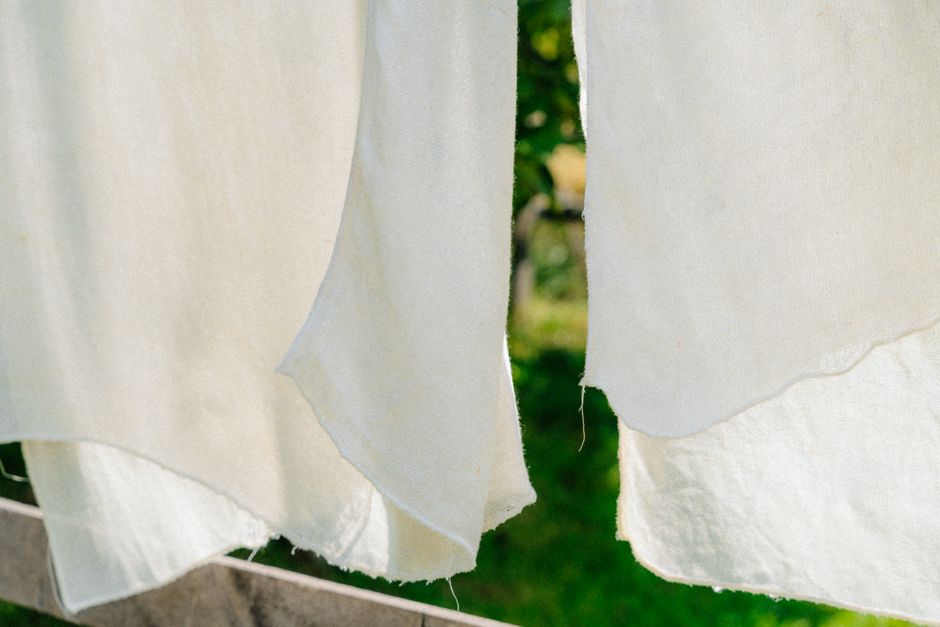
How you dry linen matters just as much as how you wash it. The tumble dryer, while convenient, is where a lot of linen goes wrong. High heat causes significant shrinkage and puts unnecessary stress on the weave. If you do use a dryer, keep it on the lowest heat setting and remove the garment while it's still slightly damp.
The ideal method is air drying. Lay the garment flat or hang it on a wide wooden hanger — never a thin wire one, which can leave shoulder dents. Smooth it out with your hands while it's damp to minimise creasing. Linen will naturally relax as it dries, and the slight texture that remains is part of its character, not a flaw.
If you're wearing a linen dress to an occasion and need it crease-free, a light steam from a handheld steamer works beautifully — no direct iron contact needed. Or simply hang it in a steamy bathroom for twenty minutes. Linen responds to humidity in a way most fabrics don't.
How to Speed Up the Softening (Without Damaging It)
If your new linen piece feels stiffer than you'd like, there are a few ways to encourage the process along:
- Wear it more. Body heat and movement are genuinely effective. A linen top worn regularly will soften faster than one kept in a drawer.
- Wash it a few times before its first outing. Two or three gentle washes before you wear a new piece for the first time will take the edge off the initial stiffness.
- Add a small amount of white vinegar to the rinse cycle. Half a cup of distilled white vinegar acts as a natural fabric softener without coating the fibres. It also helps set colour in darker shades.
Storing Linen So It Stays at Its Best
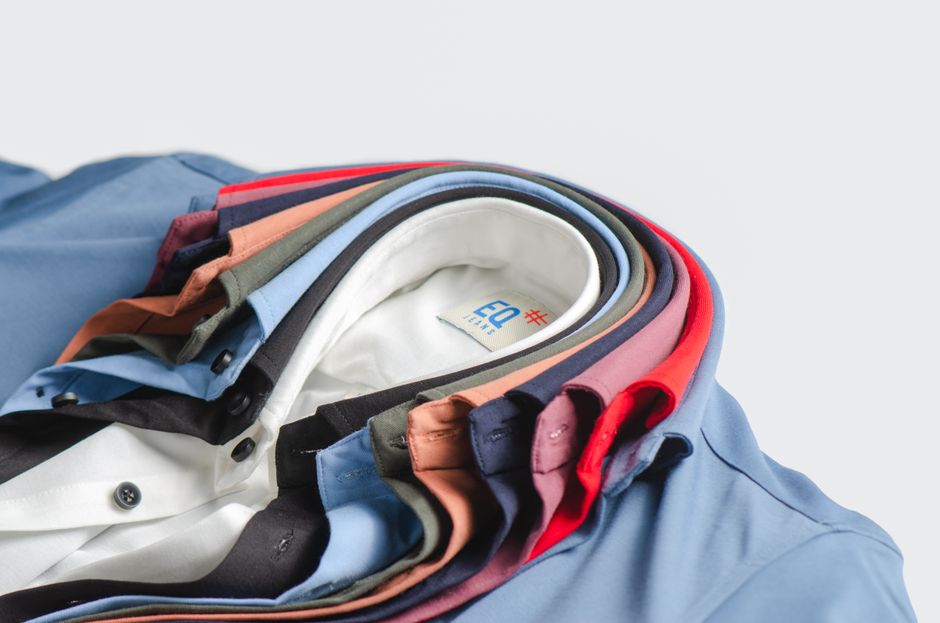
Once your linen has found its softness, proper storage keeps it there. Linen breathes, and it needs to continue doing so — avoid plastic bags or airtight containers, which trap moisture and can lead to yellowing or mildew over time. Fold loosely or hang in a breathable cotton garment bag. Keep it away from direct sunlight for extended periods, which can fade natural tones.
Our everyday linen pieces are designed to be lived in, and the care philosophy behind them is simple: wash gently, dry naturally, wear often. That's it.
Linen That Lasts a Lifetime
The most sustainable wardrobe is the one you don't have to replace. Linen cared for properly doesn't just last years — it lasts decades. A well-loved linen shirt or a beautifully made linen maxi dress can genuinely be a lifelong piece, growing more characterful with every season you wear it.
That's the quiet promise of linen. It asks only a little patience and a little care in return for something that most modern fabrics simply cannot offer: the kind of beauty that only comes with time.
Browse our full range of linen tops and dresses, all made to order in quality linen that's built to soften, age, and last.
Stay in The Journal
New stories on linen, slow fashion, and the craft behind ANAHIV — delivered to your inbox.