


Something is quietly shifting in the world of fine jewellery. Across bridal counters, fashion editorials, and independent boutiques, a new kind of diamond is taking centre stage — one that sparkles just as brilliantly as anything pulled from the earth, but arrives with a far cleaner conscience. Lab grown diamonds have moved decisively from niche curiosity to mainstream luxury, and the numbers are hard to ignore.
The global lab grown diamond market was valued at USD 29.46 billion in 2025 and is projected to grow from USD 33.54 billion in 2026 to USD 91.85 billion by 2034 — a compound annual growth rate of 13.42%. That kind of momentum doesn't happen by accident. It's the result of a generation of consumers who have fundamentally changed what luxury means to them.
So, What Exactly Is a Lab Grown Diamond?
Lab grown diamonds are man-made diamonds developed using Chemical Vapor Deposition (CVD) or High Pressure High Temperature (HPHT) manufacturing processes, and unlike natural diamonds which require numerous years to form, they can be produced in a laboratory within a few months. The result is a stone that is physically and chemically identical to natural diamonds, offering equal quality at a lower price point.
In other words: a lab grown diamond is a real diamond. It isn't a simulant like cubic zirconia or moissanite. It has the same hardness, the same refractive index, the same dazzle. The only meaningful difference is its origin story — and for an increasing number of shoppers, that origin story is actually the better one.
Why the Shift Is Happening Now
Younger consumers — especially Millennials and Gen Z — prioritise sustainability and affordability, deliberately choosing alternatives that avoid the documented environmental and social costs of traditional diamond mining. This isn't abstract ethics: lab grown diamonds already capture approximately 25% of the U.S. engagement ring market. And the momentum is only accelerating: for the first time ever, more than half of couples now have lab grown stones in their engagement rings, according to a recent Knot survey.
The driving forces are both emotional and practical. The Knot's editor explains this shift as driven by budget, perceived value, and ethical production practices — appealing especially to younger buyers. At the same time, self-purchase fashion jewellery, primarily driven by women aged 25–45, accounts for 35% of demand and is the fastest-growing segment at 15–20% annually.

The Sustainability Case — In Plain Terms
Traditional diamond mining is resource-intensive in ways that are difficult to fully comprehend. Ethical sourcing and sustainability play a major role in the growing trend of lab grown jewellery because traditional diamond mining can involve environmental disruption and labour concerns — whereas lab grown diamonds are produced in controlled settings, ensuring transparency and eliminating the risk of conflict-related sourcing.
Lab grown diamonds bypass the need for mining operations entirely — their production does not damage forests, produce air contamination, or create greenhouse gases. Some research goes further: a lab grown diamond substitution policy could save 714 million cubic metres of landfill space and feed 436 million people annually. The environmental stakes of where your jewellery comes from are, it turns out, genuinely significant.
India is also emerging as a central player in this story. The Indian government has launched a promotional scheme for the research and development of laboratory grown diamonds in the country, and the presence of advanced manufacturing facilities in India supports the production of high-quality lab grown diamonds at competitive prices. For a brand like ANAHIV — rooted in India's slow, considered approach to making — this feels like a natural alignment.
The Style Moment: Lab Grown Diamonds Are Not Just for Brides
What was once considered a niche alternative has now become a mainstream choice — lab grown diamonds are no longer limited to engagement rings; they are increasingly used in fashion-forward pieces designed for everyday use. Fancy-coloured lab grown diamonds represent the fastest-growing category, with increasing consumer interest in personalised and distinctive jewellery pieces driving demand for pink, blue, and yellow variants — particularly among younger buyers seeking unique and sustainable luxury alternatives.
Think of what this means for how you dress. A delicate lab grown diamond pendant over a crisp linen dress. Slim diamond hoops with a relaxed linen top and wide-leg trousers. Or a single solitaire ring worn with a textured linen co-ord — jewellery that whispers rather than shouts, letting both the craft of the fabric and the brilliance of the stone speak for themselves. That is the ANAHIV philosophy: intentional dressing, from the fabric on your skin to the jewellery at your neck.
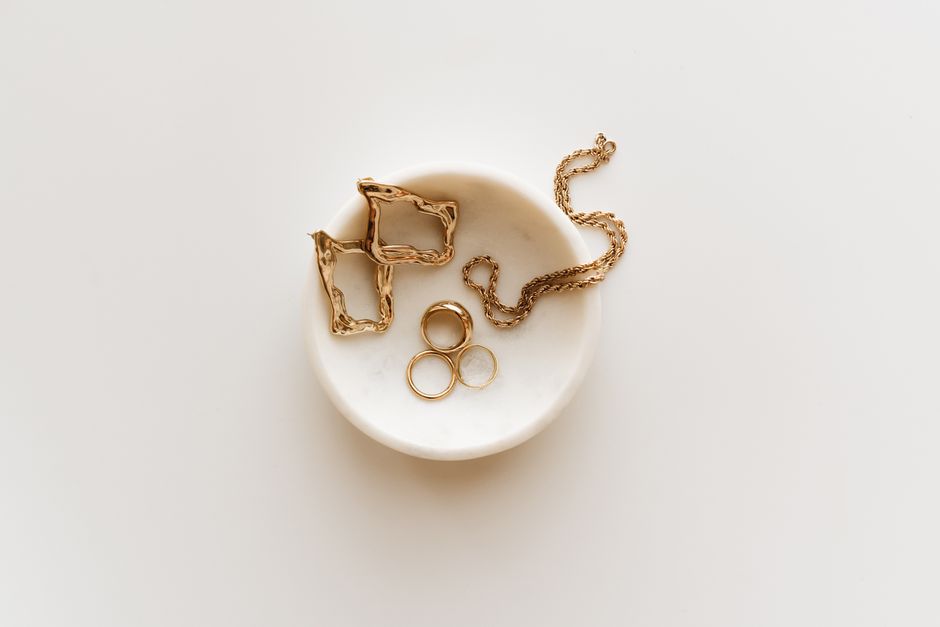
What to Look For When Buying Lab Grown Diamonds
- Certification: Look for stones graded by recognised gemological institutes (IGI or GIA). Diamonds graded within the D–F range offer high brilliance and versatility, and certification from recognised gemological institutes enhances buyer confidence.
- The 4 Cs still apply: Cut, colour, clarity, and carat weight matter just as much for lab grown stones as for mined ones. Don't skip the quality conversation simply because the price is more accessible.
- Know your method: CVD offers exceptional precision in controlling growth conditions, yielding larger stones and an expanding palette of fancy colours, while HPHT remains highly effective for producing stones of outstanding clarity and structural integrity.
- Ask about the setting: Sustainable jewellery doesn't end with the stone. Look for recycled gold settings and brands that are transparent about their supply chain.
- Think long-term: Sustainability has evolved from a differentiator to a baseline expectation — retailers and designers who communicate authenticity and genuine environmental responsibility will capture the loyalty of consumers who view luxury through an ethical lens.
Coming Soon to ANAHIV
We believe that conscious luxury should extend to every part of how you dress and adorn yourself. That is why we are bringing lab grown diamond jewellery to ANAHIV — pieces designed to complement the considered, unhurried aesthetic of everything we make. Just as our made-to-order clothing is crafted with intention and zero excess, our jewellery will follow the same philosophy: beautiful, traceable, and built to last far beyond a single season.
The rise of lab grown diamond jewellery reflects a broader shift in how modern consumers define luxury — ethical responsibility, sustainability, and innovation now sit alongside traditional values of craftsmanship and beauty. We couldn't agree more. The future of fine jewellery isn't less brilliant. It's just more honest.