


Yes, as of October 2026, import duty applies to clothing shipped from India to the USA. The $800 de minimis exemption that once allowed low-value parcels to enter duty-free has been suspended. Most clothing from India now faces a combined rate of around 26.5% — though your exact figure depends on the specific garment and its HTS code.
What Duty Rate Applies to Clothing from India?
The US has no free trade agreement with India, so standard MFN (Most Favoured Nation) rates apply in full. According to tariffstool.com (verified September 2026), clothing and apparel classified under HTS Chapters 61–62 carry a base MFN rate averaging 16.5%, with a further 10% Section 301 forced-labour surcharge stacked on top — bringing the headline rate for Indian-origin clothing to approximately 26.5%.
The rate varies by garment type. Rates across the clothing chapters range from around 5% to 32% at the MFN level alone, depending on fibre content, construction and specific HTS code. A simple cotton knit top sits at a different rate than a woven linen dress. The Merchandise Processing Fee (MPF) — currently 0.3464% of customs value, with a minimum of roughly $33 and a ceiling of roughly $651 per the FY2026 CBP schedule — adds a further layer for most formal entries.
Customs rules in the US are changing rapidly. The figures above reflect the position as of October 2026, but tariff layers have shifted multiple times in the past year. Always verify the current rate with US Customs and Border Protection (CBP) at cbp.gov or a licensed customs broker before placing an order.
The De Minimis Rule — and Why It No Longer Applies
Until recently, US shoppers relied on the Section 321 de minimis exemption: shipments valued under $800 per person per day could enter the US duty-free and with minimal paperwork. That exemption has now been suspended.
- August 2025: Executive Order 14324 extended the suspension to all countries worldwide — not just China. Every commercial shipment, regardless of value or origin, became subject to duties.
- February 2026: Executive Order 14388 confirmed the suspension would continue.
- June 2026: CBP published a Federal Register rule (document 2026-12670) making the suspension indefinite for all non-postal import modes. A companion rule extended it to postal shipments the same day.
- Permanent repeal: The One Big Beautiful Bill Act separately repeals the statutory basis for de minimis, effective 1 July 2027 — meaning congressional action would be required to bring it back.
The de minimis suspension survived its first legal challenge: in August 2026, the Court of International Trade ruled it legally distinct from the IEEPA tariffs struck down by the Supreme Court and confirmed the suspension remains in effect.
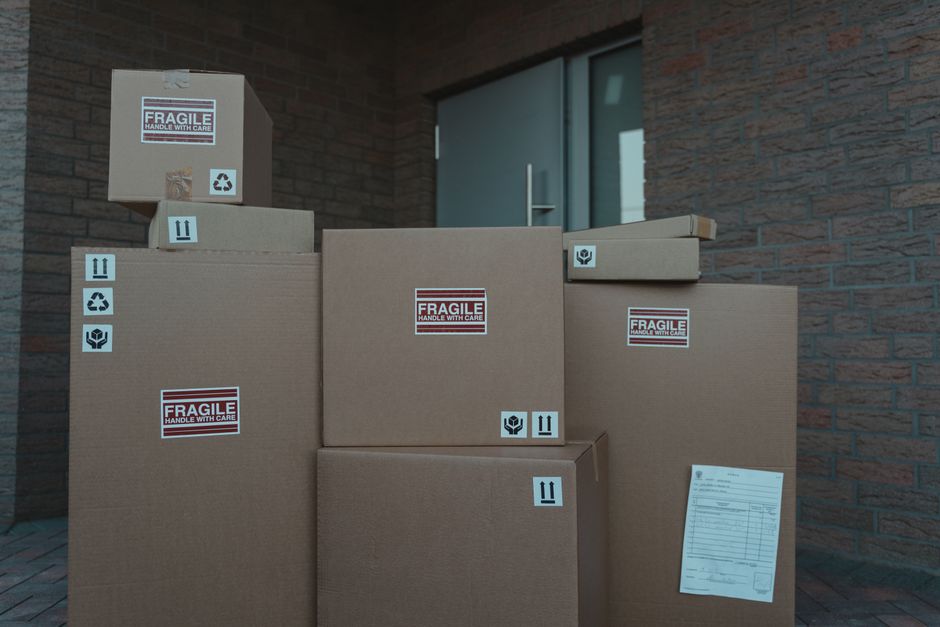
Who Actually Pays — the Buyer or the Seller?
This depends entirely on the shipping terms (Incoterms) agreed between the brand and the buyer at the point of sale. There are two common arrangements:
- DAP — Delivered at Place: The seller ships to your address, but you, the buyer, are responsible for import customs clearance and all duties and taxes at the destination. An unexpected bill may arrive after delivery.
- DDP — Delivered Duty Paid: The seller takes full responsibility, covering import clearance, duties and taxes on your behalf. According to the International Chamber of Commerce Incoterms 2020 rules, under DDP the seller must pay both export and import formalities, fees, duties and taxes — so you see one total price at checkout with no surprise charges on arrival.
Many international fashion brands choose DDP to give customers a frictionless experience. Others ship DAP, which keeps the upfront price lower but can leave buyers with an unexpected customs bill. Check the checkout page or contact ANAHIV's customer support directly to understand how duties are handled on your specific order — we're not able to confirm the exact terms here, and they may vary by destination.
How to Estimate the Duty on a Clothing Order
You can get a reasonable estimate before you buy. Here's the process:
- Find the HTS code. Every importable product has a 10-digit Harmonized Tariff Schedule (HTS) code. The US International Trade Commission's official tariff schedule at usitc.gov is the authoritative source. Third-party tools such as tariffstool.com, dutyglobal.com, and cbp.gov's own resources let you search by product description.
- Look up the MFN base duty rate for that specific HTS code — rates vary even within the same clothing chapter.
- Stack any additional surcharges. As of October 2026, Indian-origin clothing carries a 10% Section 301 forced-labour surcharge on top of the MFN base rate.
- Add the Merchandise Processing Fee. For formal entries, MPF is 0.3464% of customs value (FY2026 CBP schedule), subject to the minimum and ceiling noted above.
- Apply the rate to the customs value. In the US, duty is generally calculated on the FOB value of the goods — the price of the garments themselves, not including shipping or insurance costs to your door.
Online calculators (tariffstool.com, airliftusa.com) can stack all these layers if you enter the HTS code, country of origin and goods value. Treat any estimate as a guide only — CBP's determination is final, and a licensed customs broker can give you a more precise figure for higher-value orders.
This article is for general information only and is not legal or tax advice. For authoritative guidance, consult US Customs and Border Protection at cbp.gov or a licensed customs broker.

Related Questions
What is the de minimis rule for imports into the US?
The de minimis rule (Section 321) historically allowed shipments valued at $800 or less per person per day to enter the US duty-free. That exemption has been suspended since August 2025 for all countries, and CBP codified the suspension indefinitely in June 2026. Separate legislation — the One Big Beautiful Bill Act — permanently repeals it from 1 July 2027, requiring new legislation to reverse.
Who pays customs duty on an international order — the buyer or the seller?
It depends on the Incoterms agreed at sale. Under DDP (Delivered Duty Paid), the seller covers all import duties and taxes; the buyer pays nothing extra on arrival. Under DAP (Delivered at Place), the buyer is responsible for import clearance, duties and taxes. Always check the shipping terms at checkout before you buy.
How can you estimate duties on clothing?
Look up your garment's 10-digit HTS code on the USITC tariff schedule (usitc.gov), find the MFN base rate, stack any applicable surcharges for your country of origin, and apply the total rate to the FOB value of the goods. Add the Merchandise Processing Fee for a fuller picture. Free online calculators can automate the stacking — but treat any result as an estimate, not a CBP ruling.
If you're shopping for made-to-order linen dresses or wool coats and jackets from India, understanding the duty landscape before you check out is simply good planning. Check the ANAHIV checkout or contact support to confirm how duties are handled on your order — and keep an eye on cbp.gov, because these rules are still evolving.