

There's a peculiar joy in owning something that gets better the more you use it. A cast iron pan. A leather wallet. And, quietly, a well-made linen garment. If you've ever pulled a linen dress out of the wash and thought it felt softer than before — you weren't imagining it. That's linen doing exactly what it's supposed to do.
Here's why it happens, and what you can do to make sure every wash brings your linen closer to that impossibly soft, lived-in perfection.
The Science Behind the Softening
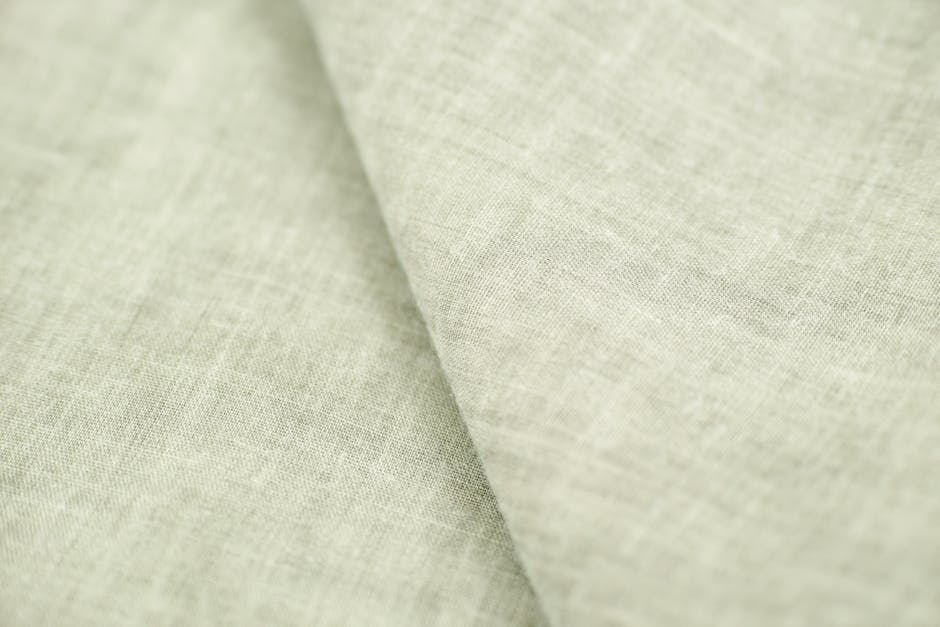
Linen is made from the fibres of the flax plant, and unlike cotton or synthetics, those fibres have a particular structure: long, strong, and naturally waxy when new. That slight stiffness you notice in a brand new linen piece? It's the natural wax coating on the fibres, not a sign of poor quality. In fact, it's a sign of the opposite.
With each wash and wear, that coating gradually breaks down, and the fibres begin to relax against one another. The result is a fabric that drapes more softly, feels gentler against skin, and develops a subtle, beautiful texture that simply cannot be faked or fast-tracked. Machine-made fabrics mimic softness from the start — and have nowhere to go but downhill. Linen starts honest and only improves.
How Many Washes Until It Feels Perfect?
Most linen lovers report the real transformation happening somewhere between the third and fifth wash. Some pieces — particularly densely woven ones — take a little longer. Think of it as a gentle breaking-in period. You're not waiting for something to wear out; you're watching something come alive.
This is also why buying quality linen from the start genuinely matters. Cheap linen, often made with shorter flax fibres or harsh chemical finishes, can go the other way — becoming rough or pilling after a few cycles. High-quality linen, like the fabric used across the ANAHIV linen dress range, is woven to last and soften over years, not seasons.
The Right Way to Wash Linen
The good news: linen doesn't ask much of you. A few simple habits will keep it softening in the right direction.
- Use cold or lukewarm water. Hot water can cause linen to shrink, especially in the first few washes. Stick to 30°C or below and you'll have no trouble.
- Choose a gentle detergent. Harsh detergents with bleaching agents or optical brighteners can break down the fibres unevenly. A mild, plant-based detergent is ideal. Avoid fabric softener — it coats the fibres and actually slows down the natural softening process.
- Use a gentle or delicate machine cycle. High-spin cycles stress the fibres unnecessarily. A slow, gentle spin is all linen needs.
- Wash similar colours together. Linen holds colour beautifully, but deep dyes can bleed slightly in the first one or two washes. Keep darks with darks, lights with lights — especially in the beginning.
- Don't overcrowd the drum. Linen needs room to move in the water. Stuffing the machine can cause uneven washing and unnecessary creasing.
Drying: Where Most People Go Wrong
The wash is only half of it. How you dry linen has just as much impact on how soft it becomes.
Air drying is always best. Lay flat or hang linen garments in the shade — direct sun can fade colour and dry fibres out too quickly. While linen is still slightly damp (not wet, but not bone dry), give it a gentle shake and smooth it with your hands. This is the moment that prevents excessive wrinkling and helps the fibres relax into a natural softness.
If you do use a dryer, use a low heat setting and remove the garment while still just slightly damp. Over-drying linen in high heat is the fastest route to making it feel stiff and brittle — the opposite of what you want.

Does Ironing Affect the Softness?
Ironing linen is entirely optional — and plenty of people skip it entirely because they love the relaxed, natural texture that emerges from air drying. If you do iron, do it while the fabric is still slightly damp and use a medium-to-high heat setting. Linen responds beautifully to steam.
What ironing won't do is reverse the softening process. It simply smooths the surface. The inner transformation of the fibres continues regardless.
A Few Things Worth Avoiding
- Bleach — even diluted, it weakens linen fibres over time
- Fabric softener — it coats rather than softens, and interferes with linen's natural breathability
- Dry cleaning for regular linen pieces — it's unnecessary and the chemicals can be harsh
- Storing linen while damp — this can lead to mildew and unpleasant smells
The Reward for Patience
There's something deeply satisfying about a wardrobe that rewards you for simply living in it. A linen maxi dress worn through a summer, washed gently, dried in the breeze — by September it will feel like a second skin. The same goes for a linen top you reach for again and again, or a casual everyday linen piece that becomes the quiet anchor of your wardrobe.
Fast fashion can't give you this. It sells you the illusion of softness from day one, and it's all downhill from there. Linen asks you to be a little patient — and then it gives you something that lasts for years, getting more beautiful with every single wash.
Stay in The Journal
New stories on linen, slow fashion, and the craft behind ANAHIV — delivered to your inbox.