

There is something quietly magical about a fabric that improves the more you wear it. Most textiles follow the opposite path — they pill, fade, and thin out until you reluctantly let them go. Linen does the reverse. Wash it, wear it, wash it again, and it becomes softer, more supple, and more beautiful with every cycle. It is one of the few genuine gifts of natural fibres — and once you understand why it happens, you will never look at a brand-new linen piece the same way again.
The Science Behind the Softening
Linen is made from the flax plant, and its fibres are naturally long, smooth, and hollow. When you first buy a linen garment, the fibres are tightly bundled together, giving the fabric that characteristic crispness. Some people love that initial stiffness; others find it takes getting used to.
What changes with each wash is the structure of those fibres. Water and gentle movement — the kind that happens in a normal machine cycle — cause the cellulose fibres to relax and separate slightly. The more this happens, the more pliable and fluid the weave becomes. Unlike cotton or synthetics, linen's long fibres do not break down during this process. They simply loosen and drape more beautifully. The result is a fabric that feels almost worn-in in the best possible way — soft against the skin, airy, and effortlessly lived-in.
This is exactly why a linen dress you have owned for three years feels like a second skin, while a brand-new one might feel slightly structured in comparison. Both are correct — the newer one just has not reached its peak yet.
How to Wash Linen So It Softens (Without Damage)
The softening process is natural, but it does require the right conditions. Treat linen badly — with harsh detergents, boiling water, or aggressive tumble drying — and you can disrupt the fibres rather than relax them. Here is what actually works:
- Use cool or lukewarm water. Hot water can cause linen to shrink in the early washes, especially before the fibres have had a chance to settle. A temperature between 30°C and 40°C is ideal for most linen garments.
- Choose a mild, pH-neutral detergent. Harsh chemicals strip the natural oils from linen fibres, which can make the fabric feel rough rather than soft. Look for a gentle liquid detergent, or one specifically formulated for natural fabrics.
- Skip the fabric softener. This feels counterintuitive, but liquid fabric softeners coat linen fibres with a synthetic film that actually prevents the natural softening process from happening. Over time, it can make linen feel waxy and heavy. Trust the fabric to do its own work.
- Tumble dry on low or air dry. If you use a dryer, keep the heat low and remove the garment while it is still slightly damp. This helps prevent over-drying, which can make linen feel stiff. Air drying flat or on a hanger in a breezy spot is even better — and the slight natural drying process contributes to that relaxed, softened texture.
- Wash it regularly. There is no shortcut here. The more you wash a linen piece, the faster it reaches that gloriously soft, broken-in state. Do not save your linen dresses only for special occasions — wear them often, wash them gently, and let time do its work.
The Role of Fabric Quality in How Well Linen Ages
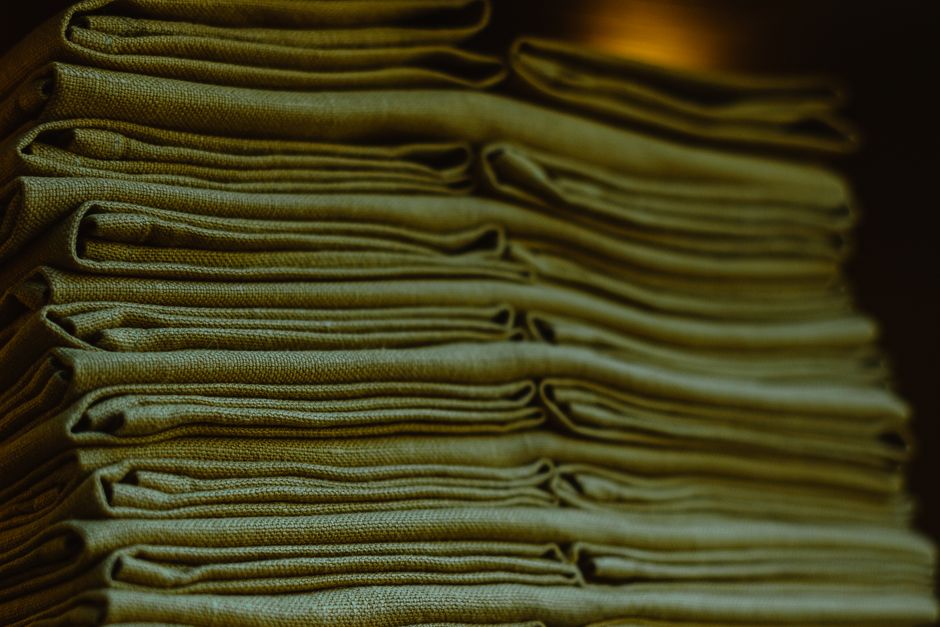
Not all linen softens equally. Lower-quality linen — often made from shorter, more coarsely processed flax fibres — can break down unevenly over time, sometimes developing thin patches or pilling rather than improving. High-quality linen, made from long-staple flax with a tight, even weave, softens gracefully and becomes more beautiful with age without losing its structure.
This is one of the reasons ANAHIV sources only quality linen for its linen dresses and ready-to-wear pieces. A garment that ages well is a garment worth investing in — and the difference in feel after twenty washes is remarkable when the base fabric is right.
What to Expect Over Time
If you are new to linen, here is a rough sense of what the journey looks like:
- Washes 1–3: The fabric relaxes noticeably. Any initial stiffness starts to ease. Colour may soften very slightly — this is normal and gives linen that beautiful, slightly faded, sun-washed quality over time.
- Washes 4–10: The garment begins to drape more fluidly. It moulds more naturally to your body and feels genuinely comfortable against the skin.
- Beyond wash 10: This is peak linen. The fabric has reached a softness and suppleness that no new garment can replicate. If you have bought quality, it will still look polished — just more relaxed, more personal, more yours.
This is why linen is the fabric of long wardrobes. A well-made linen midi dress or a pair of linen trousers does not wear out the way fast fashion does — it wears in. There is a real difference, and once you feel it, you understand why so many women who discover quality linen simply stop shopping for anything else.

A Fabric That Rewards Patience
We live in an era of instant gratification — fast delivery, instant results, disposable everything. Linen asks you to slow down and trust the process. Wear it. Wash it. Give it time. In return, it becomes one of the most comfortable, breathable, and beautiful things in your wardrobe — better with every season you spend together.
If you are building a wardrobe with longevity in mind, explore the Everyday Ease collection — pieces designed to be worn often, washed often, and loved for years to come.
Stay in The Journal
New stories on linen, slow fashion, and the craft behind ANAHIV — delivered to your inbox.