


If you've been paying attention to sustainable fashion in 2026, you've probably noticed hemp everywhere. It's on runway mood boards, in mainstream retail, and in every slow fashion conversation worth having. Meanwhile, linen — the ancient, elegant staple — has been quietly holding its ground for millennia. So what actually separates these two natural plant fibres? And when it comes to clothing you'll reach for every single day, which one deserves a place in your wardrobe?
We're a linen brand, so we'll be upfront about our bias. But we're also deeply interested in fabric education — because informed shoppers make better choices, for themselves and for the planet. So here's an honest, detailed look at hemp and linen, side by side.
Where They Come From
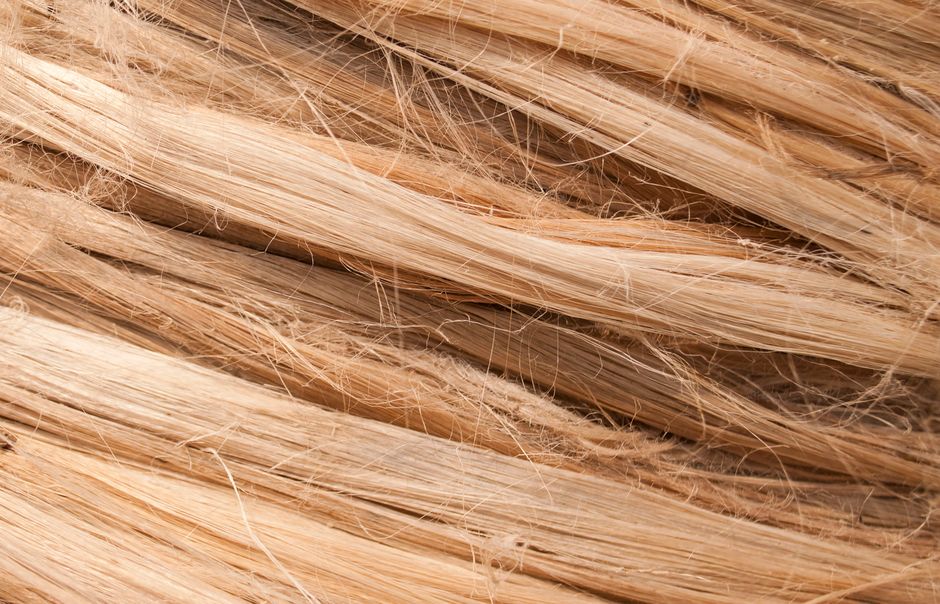
Both hemp and linen are bast fibres — meaning they're extracted from the stalks of plants. Linen comes from the flax plant (Linum usitatissimum), which has been cultivated for over 30,000 years and remains one of the most refined natural fibres on earth. Hemp comes from Cannabis sativa — the same plant species associated with cannabis, though industrial hemp contains negligible levels of THC and has been grown for textiles for centuries.
Both are biodegradable, both are breathable, and both have genuinely strong environmental credentials. But their personalities — and their performance on your body — are quite different.
The Sustainability Scorecard
Here's where hemp has a legitimate edge. It requires minimal water, grows swiftly without pesticides, and actively improves soil health through natural regeneration and carbon sequestration. Linen's flax cultivation is also impressively low-impact — it requires far less water and chemicals than conventional cotton — but hemp's resource needs are arguably even lower.
In 2026, innovations in processing — including enzymatic softening and advanced spinning techniques — have transformed hemp from a traditionally coarse fibre into a versatile, softer textile. For a long time, hemp's rough texture kept it out of luxury fashion. That barrier is now genuinely falling.
That said, both hemp and linen are fully biodegradable, meaning neither ends up adding to the synthetic microplastic crisis that plagues so much of the fashion industry. If you're choosing between the two purely on ecological grounds, hemp has a slight advantage in raw cultivation — but linen is still among the most sustainable fabrics on earth.
Strength and Durability
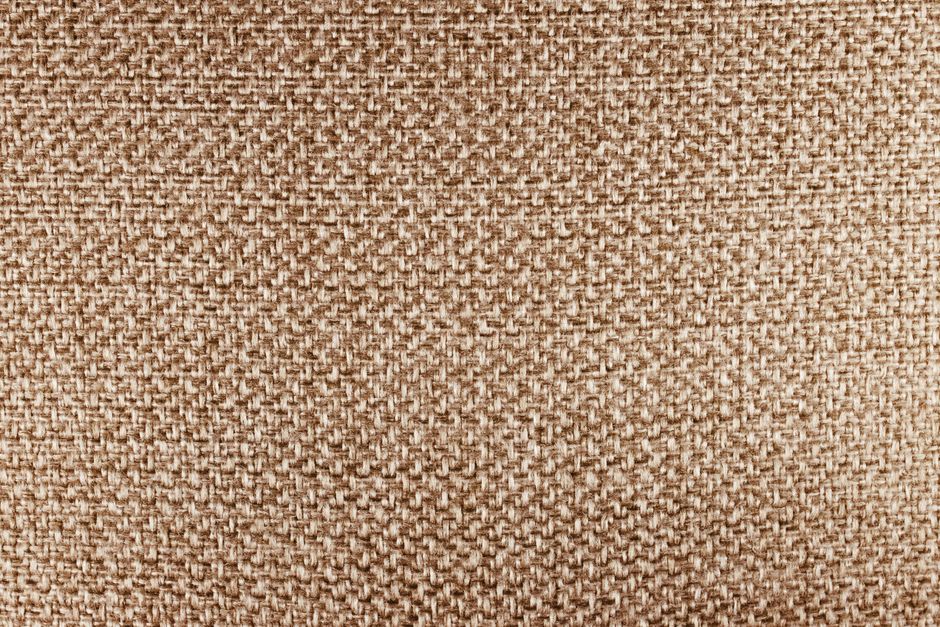
Hemp is exceptionally strong — widely considered one of the strongest natural fibres on the planet — and hemp garments actually become softer with each wash without losing their toughness. Linen is no slouch either: linen fibres resist wear and tear over time and are well known for lasting decades when cared for well. But hemp's structural resilience does give it an edge for heavy-duty, long-term use.
For clothing, though, this distinction matters less than you might think. A well-made linen dress worn and washed regularly will outlast most wardrobes — it simply requires a different kind of care and attention.
How They Feel Against Your Skin
This is where linen wins — and it's not a close contest. Linen's natural lustre, crisp texture, and immediate softness are incomparable. It drapes beautifully, breathes exceptionally well in humid and hot climates, and becomes progressively softer with every wash without ever losing its character. For warm-weather dressing — especially in a climate like India's — linen is simply the most intelligent fabric choice.
Hemp, even in its newer, softer iterations, still carries a slightly more rustic, textural quality. It's beautiful in its own right, and increasingly refined, but it doesn't yet have the elegant drape or the skin-softness that makes linen so uniquely pleasurable to wear. If you're reaching for a fabric to wear close to your body, all day, in heat and humidity, linen remains the superior choice.
Style and Versatility
Linen is inherently refined. Its natural sheen lends itself to everything from a relaxed everyday linen look to a genuinely elegant occasion dress. The fabric holds structure when you want it and softens into ease when you don't. Our linen dresses — from flowing maxis to sharp, structured midis — exist because of exactly this quality: linen responds to intention.
Hemp, by contrast, leans more casual and utilitarian by nature. It excels in outerwear, bags, and heavier separates, but hasn't yet earned the same sartorial versatility as linen in the context of refined, occasion-ready clothing.
Which One Should You Wear?
If you're building a considered, slow wardrobe rooted in everyday beauty, linen is the answer. It is softer, more breathable in heat, and more versatile across occasions — from office to evening, from casual to celebratory. A beautifully made linen midi dress or a crisp linen top will serve you across seasons, years, and chapters of your life in a way that very few other fabrics can match.
Hemp is a genuinely exciting fabric with a strong sustainability story, and as processing technology improves, it will only become more relevant. Watch this space — the fashion world certainly is. But for the kind of refined, made-to-order clothing that's designed to be worn and loved for a decade, linen's combination of breathability, elegance, and longevity is still unmatched.
The good news? You don't have to choose ideology over beauty. With linen, the most sustainable choice also happens to be the most beautiful one.